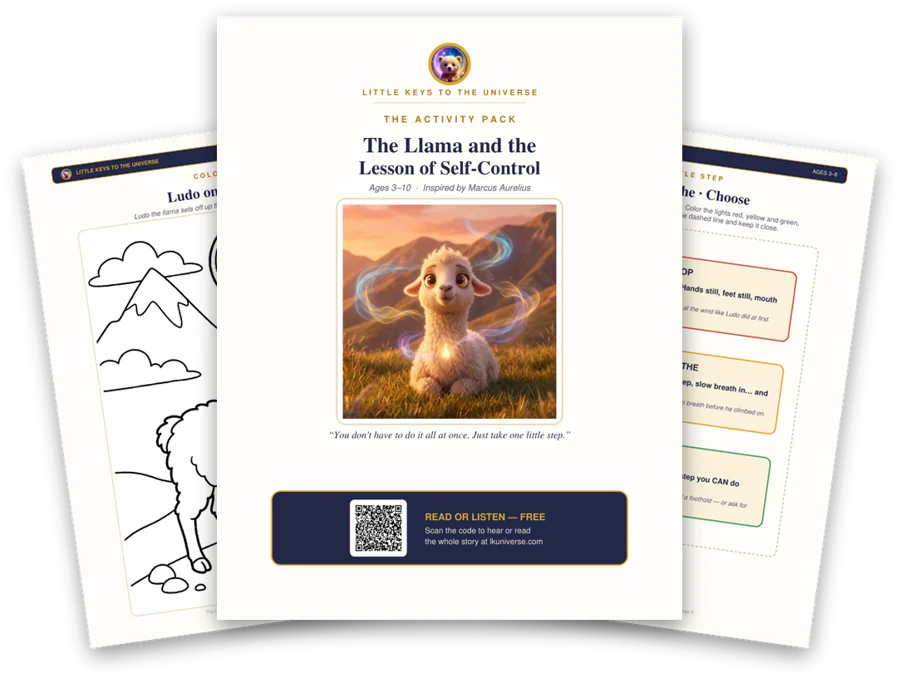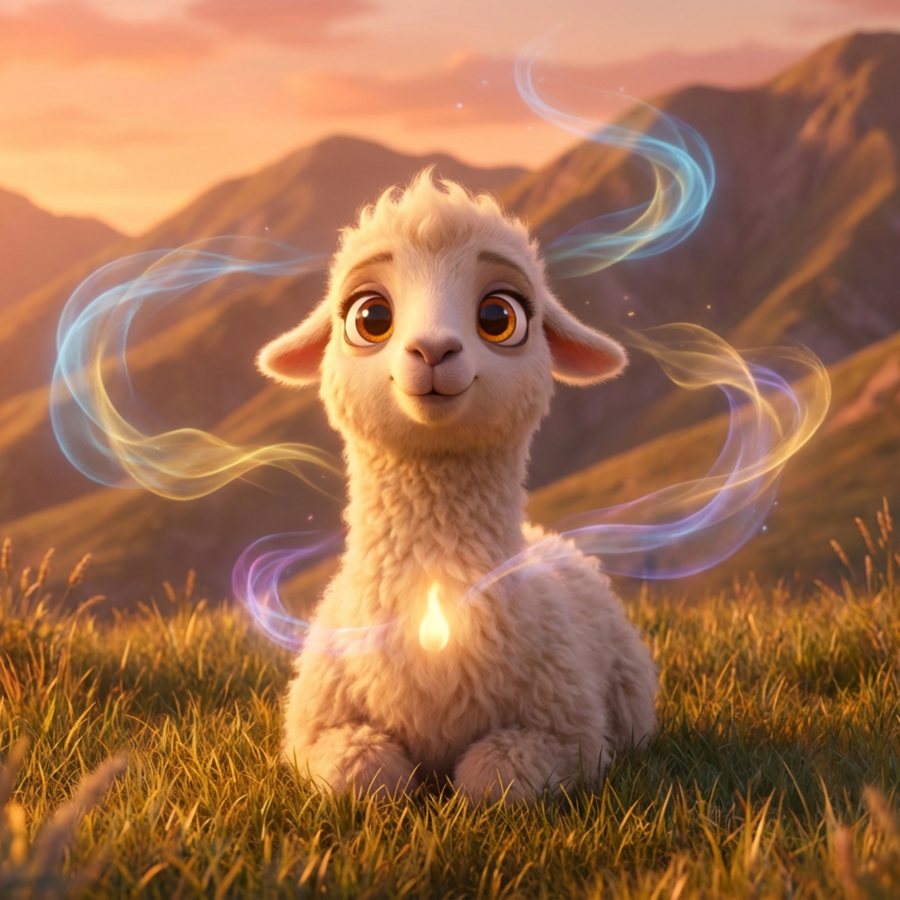
In this high and mighty land, we meet a young llama named Ludo, who dreams of reaching the top of the Grand Mountain. But like many of us, he faces challenges that seem unfair—slippery paths, strong winds, and bitter cold. When things don’t go our way, it’s easy to feel frustrated. We might blame the weather, other people, or even the world itself for standing in our way.
But the truth is, we can’t control everything. We can’t make the sun shine on a rainy day, we can’t change the way others behave, and we can’t always make things happen exactly as we want. But there is something we can control—ourselves.
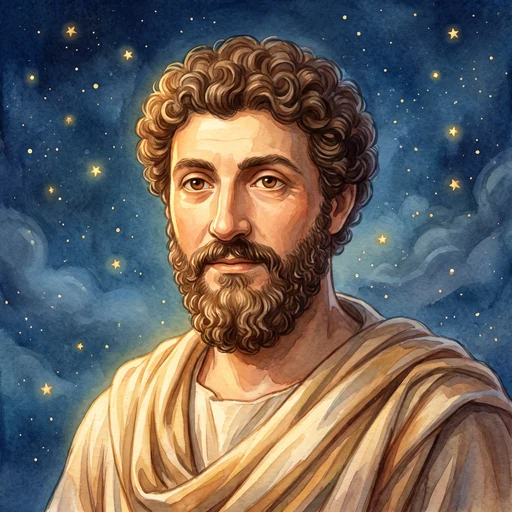
This story is inspired by Marcus Aurelius, a great thinker who believed that true strength comes from within. Instead of fighting what we can’t change, we should focus on what we can—our choices, our attitude, and our next step forward.
Let’s step inside and discover the wisdom of self-control…
Ludo had dreamed of reaching the top of the Grand Mountain for as long as he could remember. “Today is the day,” he said proudly, his fluffy chest puffed up with determination. “Nothing will stop me!”
But as he took his first steps up the rocky path, the mountain had other plans.
The ground was uneven, the air was thin, and each step felt heavier than the last. But Ludo pressed on, eager to prove his strength.
Then came the first obstacle—a patch of loose stones. Ludo stepped forward, but his hooves slipped, sending him skidding back down a few feet.
“This isn’t fair!” Ludo huffed, shaking the dust from his fur. “Why is the mountain making this so hard?”
But the mountain did not answer.
Determined, Ludo tried a different route. He climbed carefully, choosing larger, sturdier rocks. He was making progress—until a strong gust of wind howled through the peaks, nearly knocking him off balance.
“Stop it, wind! You’re ruining my climb!”
The wind, of course, did not stop.
Frustrated but unwilling to give up, Ludo trudged forward. But then, just as he reached a narrow ledge, a heavy snowfall began. The trail became slippery, the cold stung his nose, and his legs trembled.
“This mountain doesn’t want me to win!” he shouted. “Everything is against me!”
Just as Ludo was about to turn back, a shadow passed overhead. A great condor circled above, then landed gracefully on a nearby rock.
“You are quite loud for someone so small,” the condor said, tilting his head.
Ludo scowled. “This climb is impossible! The ground is too rocky, the wind is too strong, and now the snow is making everything worse!”
The condor nodded. “Ah, I see. And do you think shouting at the mountain will make the ground smooth? That arguing with the wind will make it stop? That blaming the snow will make the path easier?”
Ludo’s ears drooped. “Well… no.”
The condor spread his massive wings. “The mountain will not change for you, little llama. But you can change how you climb.”
Ludo blinked. “What do you mean?”
The condor pointed his beak toward the path ahead. “Instead of fighting what you cannot control, focus on what you can. You can’t stop the wind, but you can brace yourself. You can’t stop the snow, but you can step carefully. The mountain is not against you—it simply is. The only thing in your way is how you see it.”
Ludo thought for a moment. He had spent the whole climb fighting the mountain, blaming the world for every struggle. But what if he focused on his own steps instead of the obstacles?
Taking a deep breath, he lowered his stance against the wind, using his strong legs to balance instead of resist.
When the snow made the ground slippery, he slowed down, taking careful, steady steps.
When the path became steep, he found footholds instead of charging forward carelessly.
And little by little, he climbed.
The mountain did not make it easy, but Ludo had changed. Instead of wasting energy on frustration, he focused on what he could control—his actions, his patience, and his next step forward.
And finally, after a long and steady journey, Ludo reached the peak.
The sky stretched wide before him, the valleys rolled far below, and the wind—once his enemy—now felt like a welcome breeze.
The condor soared past him and called out, “You see, little llama? The mountain did not move. You did.”
And so, Ludo learned that life will not always go the way we want. The world will bring challenges—storms, obstacles, and unfair moments. But instead of wasting energy fighting what we cannot change, we can focus on what we can.
We can adjust, prepare, and take steady steps forward. And when we do, we discover that strength isn’t about controlling the world—it’s about controlling ourselves.