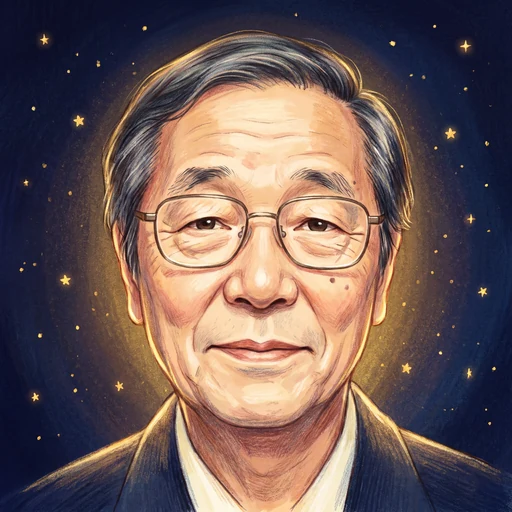
Dr. William Damon, a psychologist who studies how we grow into good people, teaches that our habits shape the person we become. If we practice fairness and sharing, we grow into someone others trust and love to be around.
But what happens when we take more than our share?
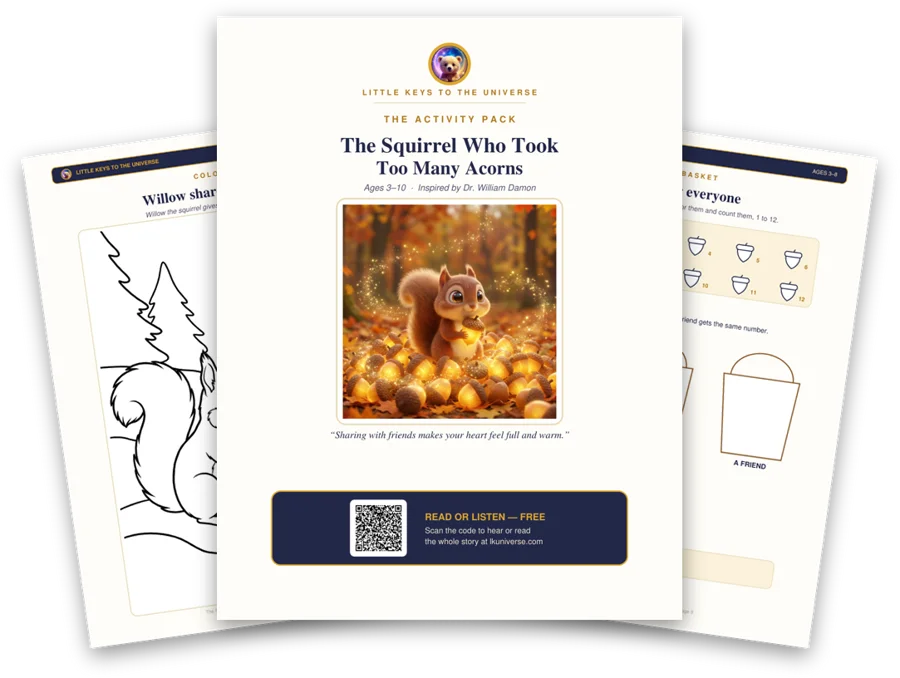
Tonight, we step into Autumnwood Forest, where a young squirrel named Willow learns that holding on too tightly can leave you with less than you ever imagined.
As the cool autumn wind rustles the leaves and the scent of pine fills the air, let’s begin.
Deep in the heart of Autumnwood Forest, the animals were preparing for the great Gathering Season. The air was crisp, the trees glowed with fiery reds and warm oranges, and every squirrel was busy collecting acorns before winter arrived.
But no squirrel was faster than Willow.
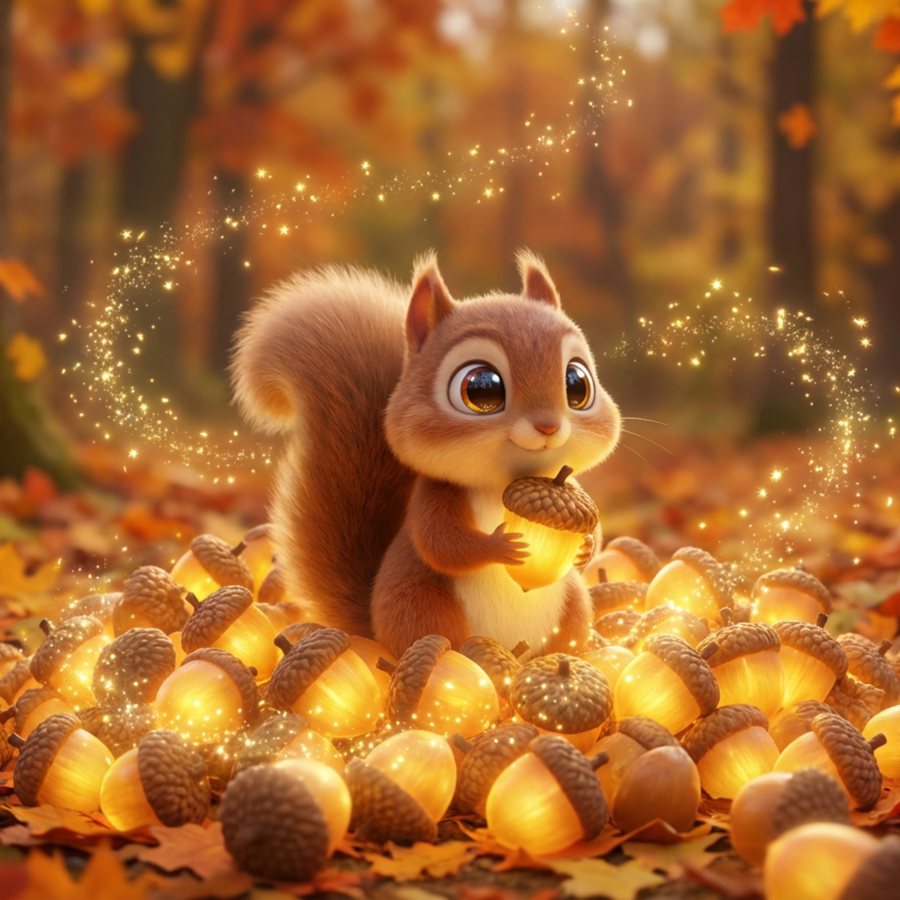
With his fluffy tail and quick little paws, Willow could gather more acorns in one morning than most of his friends could in a whole day! He raced up branches, leapt between trees, and stuffed his cheeks until they looked ready to pop.
But Willow had a secret.
While the other squirrels took only what they needed and made sure even the smallest squirrels had enough, Willow was stashing extra acorns in a secret burrow beneath an old oak tree.
"Just a few more," he told himself each day. "I’ll be the safest squirrel in the whole forest!"
At first, Willow felt clever. While his friends scurried about, making sure everyone had their share, Willow stacked his secret stash higher and higher.
As the first snowfall blanketed the ground, Willow peeked outside his burrow. The world was quiet, wrapped in white.
In the heart of the forest, the other squirrels gathered beneath the great tree, snuggling together in warm nests, sharing stories, and splitting acorns with each other. Laughter echoed through the trees, mixing with the crackling of twigs beneath their tiny paws.
Willow, however, sat alone in his burrow, surrounded by more acorns than he could ever eat.
At first, he felt proud—Look at all I have!
But as the days passed, something felt… different.
Loneliness settled in his chest like the heavy snow on the branches outside. No one came to visit. No one asked him to play. He had everything he wanted—so why did it feel like something was missing?
One cold morning, Willow saw Hazel, a small squirrel, digging desperately in the snow.
She had struggled to gather enough food before winter arrived, and now she shivered as she searched for anything hidden beneath the frost.
Willow watched from his burrow, his heart tugging inside him.
"She should have been faster."
"She should have saved more."
"This is mine. I worked for it."
But as he turned back to his towering pile of acorns, he thought of the laughter he had heard from the great tree—the warmth, the stories, the way his chest felt a little colder each day.
And suddenly, his acorns didn’t seem as sweet.
Taking a deep breath, Willow scampered out of his burrow with a paw full of acorns.
“Here, Hazel,” he said, placing them in front of her. “I have more than enough.”
Hazel’s eyes widened. “Really? Thank you, Willow!”
As she nibbled on an acorn, something warm spread inside Willow's chest—something even better than a full belly.
That day, something changed.
Willow didn’t just share a few acorns—he shared his heart.
And when he joined his friends by the great tree, he realized that having enough means more than just having things. It means having people who care about you.
The snow felt softer. The winter air, less harsh.
Willow had thought his secret stash would make him the safest squirrel in the forest.
But he had learned something even greater:
The best things in life aren’t meant to be hoarded—they’re meant to be shared.
From that day forward, Willow never kept more than he needed.
He still gathered acorns—he was still fast, still clever—but now, he made sure no one was left behind.
And something amazing happened.
When the next winter arrived, he was never alone.
Because kindness, like acorns, grows best when it’s shared.
And guess what?
You can do the same.
Tonight, before you close your eyes, think about this:
Is there something you have that could brighten someone else’s day?
It could be a toy, a snack, a kind word, or even a little help.
Because the choices we make today shape who we become tomorrow.
And the best kind of person to become? Someone who makes the world a little warmer.
So… what will you share tomorrow?
That’s up to you.