A pile of stuff can leave a child feeling strangely empty. Here's how to help kids discover that sharing and mattering beat simply having more.
Kids learn early how good it feels to win — to have the most, grab the biggest, come out on top. And then something confusing happens: they get the most, and it doesn’t feel as good as they expected. The full pile sits there, and so does a strange emptiness. That gap is one of the most useful things a child can notice, because on the other side of it is a quieter, deeper kind of good: mattering to someone.
Why more isn’t the thing that fills us
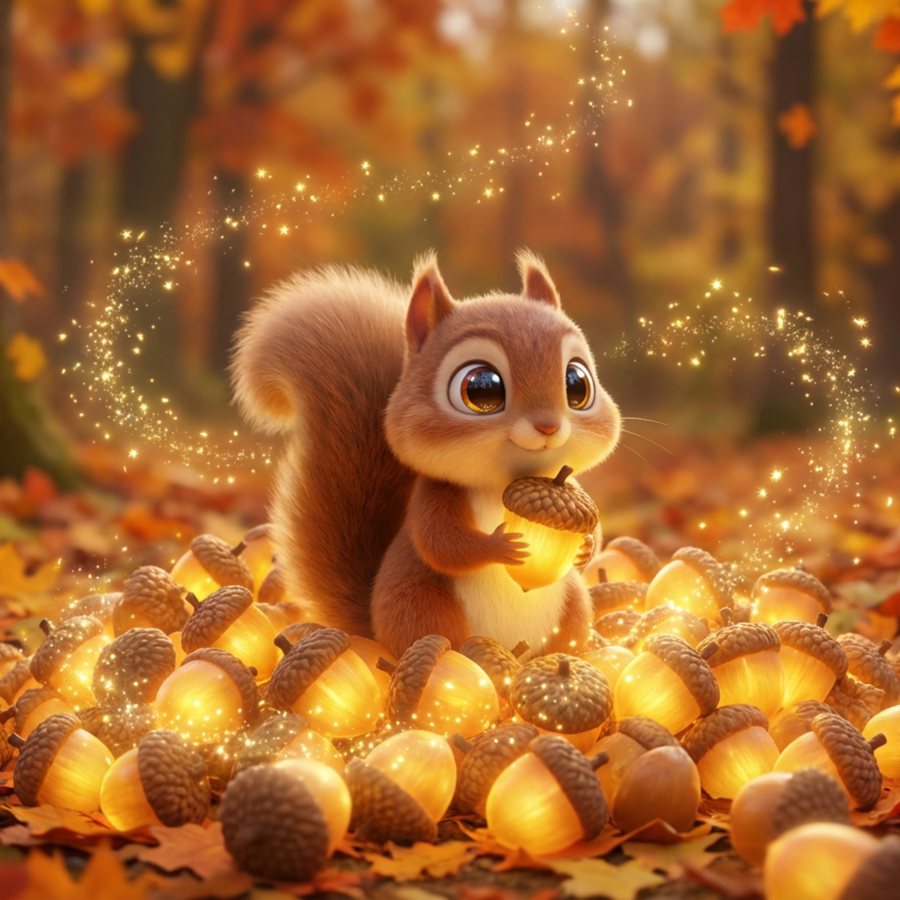
Young children are natural accumulators, and there’s nothing wrong with that — wanting things is normal. But somewhere around preschool age, kids become capable of a subtler discovery: that having more and feeling more aren’t the same. A child can win every acorn in the forest and still feel oddly alone on top of the pile, while the friends sharing a small snack together seem to be having all the fun.
What they’re bumping into is the difference between getting and mattering. Research on wellbeing keeps landing in the same place: a sense of purpose — feeling that you contribute to something beyond yourself — is a far more durable source of happiness than accumulation. And giving, it turns out, tends to make kids visibly happier than getting. The trick is that you can’t lecture a child into this. They have to feel the contrast: the hollow of the full-but-alone pile, and the warmth of sharing it.
This isn’t about teaching kids that wanting things is bad. It’s about helping them notice, from their own experience, what actually fills them up — so that “mattering more” becomes something they want, not something they’re told to do.
10 ways to help kids find the joy in sharing
- Let them feel the contrast. Don’t rush to fix the “I have everything but feel empty” moment — let them notice it.
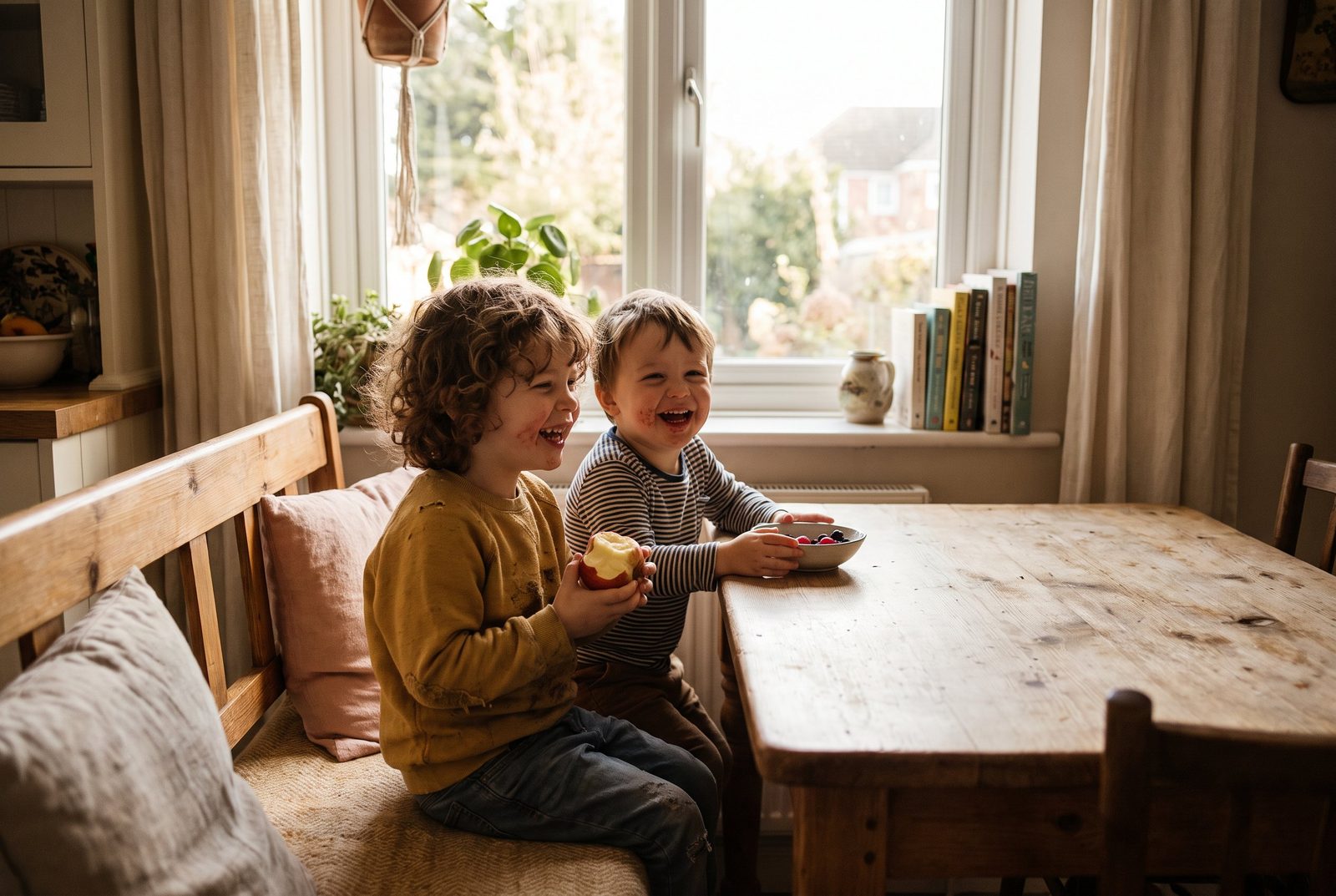
- Point out the joy of giving. “Look how happy you both are now that you shared.”
- Make giving hands-on. Handing a friend a snack teaches more than a lecture on generosity.
- Value contribution out loud. “You helped set the table — that mattered to all of us.”
- Don’t force sharing mid-grab. Forced sharing builds resentment; noticed sharing builds joy.
- Model mattering over having. Let them see you find meaning in helping, not just acquiring.
- Notice the empty pile. “You won all of them — how does that feel?” invites the real discovery.
- Celebrate the giver. “That was generous” builds an identity, not just a behavior.
- Keep some things theirs. Sharing is a gift, not a tax — it means more when it’s chosen.
- Let a story make it felt. A character who has everything and still feels empty shows the lesson from the inside.
Tonight’s story lets them feel the contrast
The Squirrel Who Took Too Many Acorns follows a squirrel who wins every acorn in the forest — and discovers his enormous pile feels strangely empty, until he shares it. It’s inspired by Dr. William Damon and his research on purpose: that mattering to others beats simply having more.
For the daytime half, 10 Ways to Be a Good Friend offers ten more connection-building moves.
Tonight’s tiny plan
- Play the story before lights-out.
- Ask: “When did sharing something make you feel good inside today?”
- Tomorrow, notice and name one moment they gave rather than got.
Your child will keep wanting things — everyone does. The gift is helping them discover, from the inside, that a full pile and a full heart are not the same thing.