← All minds 💡 Quick answer 📊 Stats 📝 Story 🕰️ Timeline ❓ FAQ 📖 Books
Dr. Masaru Emoto
🔑
Inspired a Little Key

Dr. Masaru Emoto

Author · Known for his water crystal photography and the idea that words carry energy

A Japanese author known for photographing water crystals and arguing that the words and intentions directed at water changed the shapes they formed.

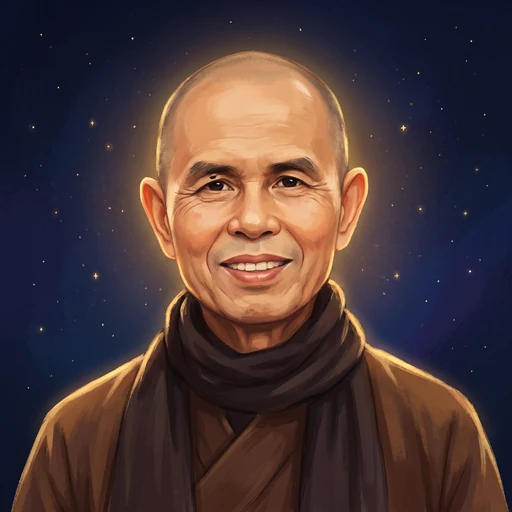
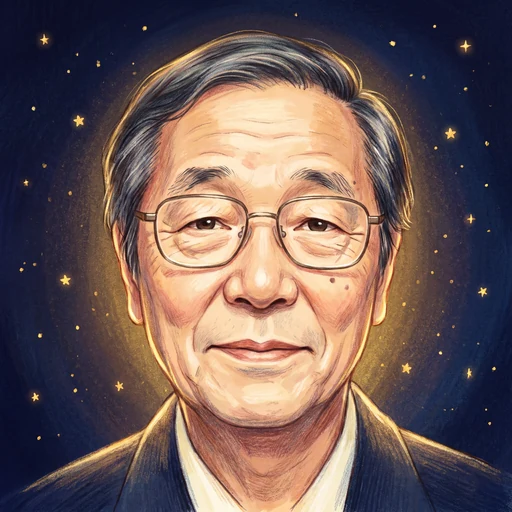
Our own AI-illustrated tribute — an artist's interpretation of Dr. Masaru Emoto's public ideas, made for children. How we make Little Keys ↗

July 22, 1943 · Yokohama, Japan October 17, 2014 · Japan

Who was Dr. Masaru Emoto?

Dr. Masaru Emoto (1943–2014) was a Japanese author from Yokohama, known for his photographs of frozen water crystals. He claimed that the words, music and intentions directed at water changed the shape of the crystals it formed: in his photographs, kind words went with intricate, symmetrical crystals and harsh words with broken ones. His book "The Hidden Messages in Water" (2004) became an international bestseller.

📊 The 20-second version
2004
the year his book The Hidden Messages in Water became a New York Times bestseller
1992
when he received his certification as a Doctor of Alternative Medicine, after studying International Relations
20+ years
he spent photographing water crystals and touring the world speaking about his work
71
his age when he passed away in 2014, after falling ill on a speaking tour
📝 The story behind the little key

From international relations to water crystals

Emoto studied International Relations at Yokohama Municipal University before turning toward alternative medicine, earning certification as a Doctor of Alternative Medicine in 1992. Around that time he began the experiments that would define his career: freezing water quickly into crystals and photographing them under a microscope.

Words, music, and the shape of a crystal

Emoto's central claim was that exposing water to different words, music, and images before freezing it changed the shape of the resulting ice crystals — kind words and pleasant music producing intricate, symmetrical crystals, and harsh words producing broken, disordered ones. He compiled thousands of these photographs into books, most famously 2004's The Hidden Messages in Water, which became an international bestseller.

An emissary for peace

Emoto described his work as a call to treat water — and each other — with more intention and care, touring internationally as what admirers called an "emissary for peace." He continued speaking around the world until his health declined during a tour stop in Shanghai in 2014; he died later that year in Japan.

The Mole Who Planted Words
🔑 How this connects to their story

Margo the mole discovers that every word she speaks is a seed, shaping the world around her. That's the same idea Emoto spent his career photographing — that the words and intentions we put into the world change its shape, one crystal, one tunnel, at a time.

🐭 The Mole Who Planted Words →
🕰️ Their life, in brief
1943

Born in Yokohama, Japan.

1986

Founds the IHM Corporation in Tokyo.

1992

Receives certification as a Doctor of Alternative Medicine.

mid-1990s

Begins freezing and photographing water crystals.

2004

The Hidden Messages in Water becomes a New York Times bestseller.

2014

Dies in Japan at 71, shortly after falling ill on a speaking tour in Shanghai.

Frequently asked questions

What did Masaru Emoto claim about water?

Emoto claimed that exposing water to words, music or images before freezing it changed the shape of its ice crystals. He argued that kind words and pleasant music produced intricate, symmetrical crystals, while harsh words produced broken, disordered ones.

When was Masaru Emoto born, and when did he die?

He was born on July 22, 1943, in Yokohama, Japan, and died on October 17, 2014, in Japan, at age 71.

What is Masaru Emoto's best-known book?

"The Hidden Messages in Water" (2004), which became a New York Times bestseller.

Which Little Keys story did he inspire?

"The Mole Who Planted Words": Margo the mole tends a garden where words are the seeds. Grumbles make it thorny and tangled, but kind words like "thank you" make the whole garden bloom, helping children see that every word they speak is a seed and they choose what grows.

Affiliate links — as an Amazon Associate we earn from qualifying purchases. Dr. Masaru Emoto is not affiliated with, and does not endorse, Little Keys to the Universe.

📚 Books by Dr. Masaru Emoto
←
Previous mind
Theodore Roosevelt
Next mind
Mother Teresa
→

More minds to meet

See all →