← All minds 💡 Quick answer 📊 Stats 📝 Story 🕰️ Timeline ❓ FAQ 📖 Books
Dr. Bruce Lipton
🔑
Inspired a Little Key

Dr. Bruce Lipton

Cell biologist · Author of The Biology of Belief

A cell biologist best known for popularizing the idea that our beliefs and internal state can influence our biology, not just the other way around.

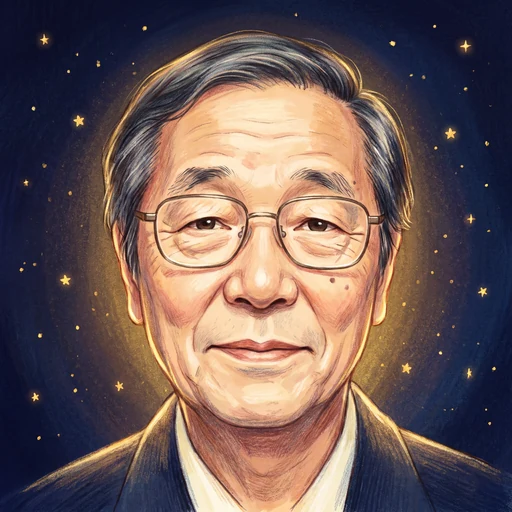
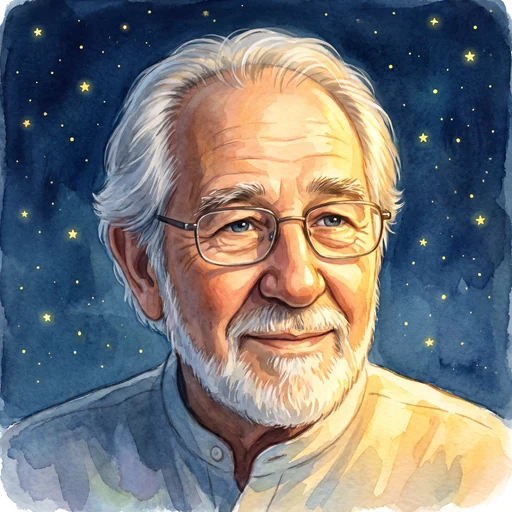
Our own AI-illustrated tribute — an artist's interpretation of Dr. Bruce Lipton's public ideas, made for children. How we make Little Keys ↗

October 21, 1944 · Mount Kisco, New York

Who is Dr. Bruce Lipton?

Dr. Bruce Lipton is a cell biologist, born in 1944 in Mount Kisco, New York, who began his career studying cell membranes and later wrote "The Biology of Belief" (2005). In that book he argues that a cell's environment and internal signals, not just its genes, shape its behavior, and that a person's beliefs might shape their own biology. His idea that an inner "signal" shapes how we respond to the world inspired a Little Keys story about the energy we bring.

📊 The 20-second version
Ph.D., 1970s
earned his doctorate in developmental biology and began his career studying cell membranes at the University of Wisconsin
2005
the year he published The Biology of Belief, his best-known book
Epigenetics
the field his popular writing draws on — the study of how environment and signals can influence gene activity
📝 The story behind the little key

A career studying cells

Lipton earned his Ph.D. in developmental biology and spent years researching cell membranes, eventually teaching at the University of Wisconsin School of Medicine and later at Stanford University School of Medicine.

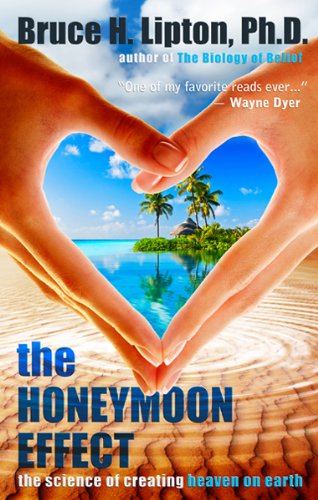
The Biology of Belief

In 2005, Lipton published The Biology of Belief, a popular-science book arguing that a cell's environment and internal signals, not just its genes, shape its behavior — and extending that idea to how a person's beliefs might shape their own biology.

A popular voice on mind and body

Since then, Lipton has become a widely known speaker and author on the connection between belief, emotion, and biology, popularizing the idea that the internal state we carry changes the experience we have.
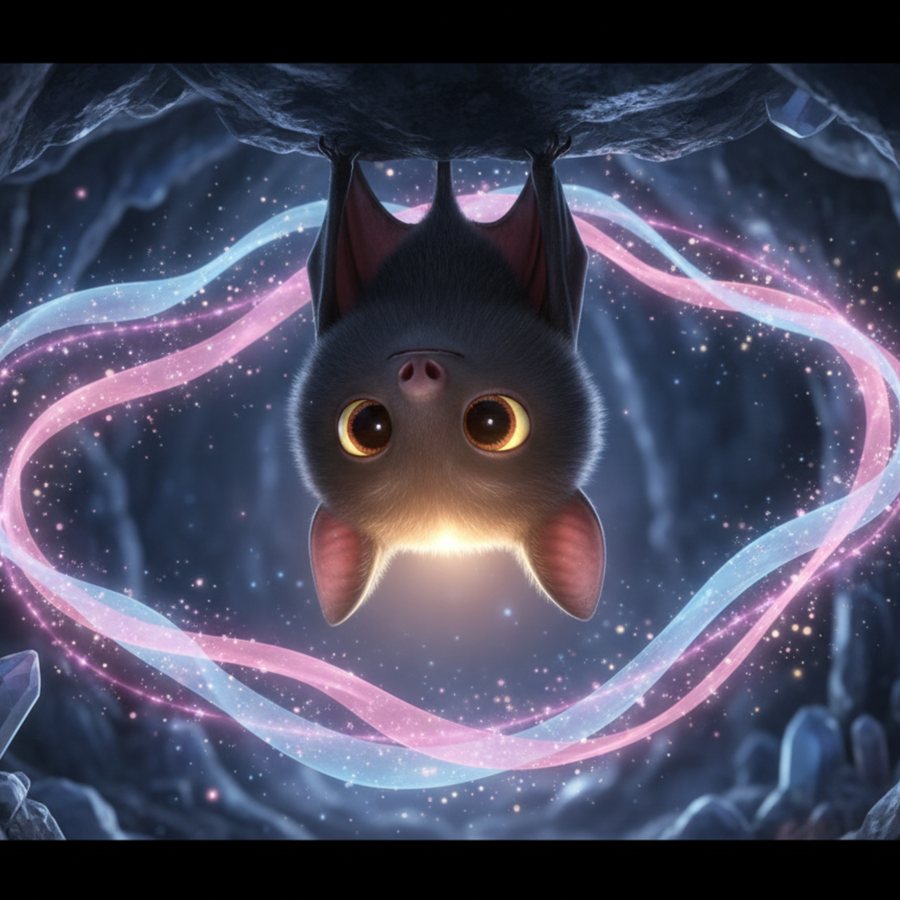
The Bat Who Discovered Her Energy
🔑 How this connects to their story

Li Wei the bat discovers that the mood she carries into the night changes the night she has. Lipton built a career on a version of that same idea — that our internal state shapes how we experience and respond to the world around us.

🦇 The Bat Who Discovered Her Energy →
🕰️ Their life, in brief
1944

Born in Mount Kisco, New York.

1970s

Earns his Ph.D. in developmental biology; begins researching cell membranes.

1980s–90s

Teaches at the University of Wisconsin and Stanford University schools of medicine.

2005

Publishes The Biology of Belief.

Today

Continues writing and speaking on belief, emotion, and biology.

Frequently asked questions

How old is Bruce Lipton?

He was born on October 21, 1944, in Mount Kisco, New York.

What is Bruce Lipton known for?

For his book "The Biology of Belief" (2005), in which he argues that our beliefs and internal state can influence our biology at the cellular level. His popular writing draws on epigenetics, the study of how environment and signals can influence gene activity.

What was Bruce Lipton's scientific background?

He earned a Ph.D. in developmental biology, researched cell membranes, and taught at the University of Wisconsin and Stanford University schools of medicine before becoming a widely known speaker and author.

Which Little Keys story did he inspire?

"The Bat Who Discovered Her Energy": a little bat notices that on grumbly nights everything goes wrong, but on curious, light nights the whole forest opens for her. With help from a wise owl, she discovers her secret signal: the feeling she carries changes the way she flies, and that changes her whole night.

Affiliate links — as an Amazon Associate we earn from qualifying purchases. Dr. Bruce Lipton is not affiliated with, and does not endorse, Little Keys to the Universe.

📚 Books by Dr. Bruce Lipton
←
Previous mind
Mahatma Gandhi
Next mind
Eckhart Tolle
→

More minds to meet

See all →