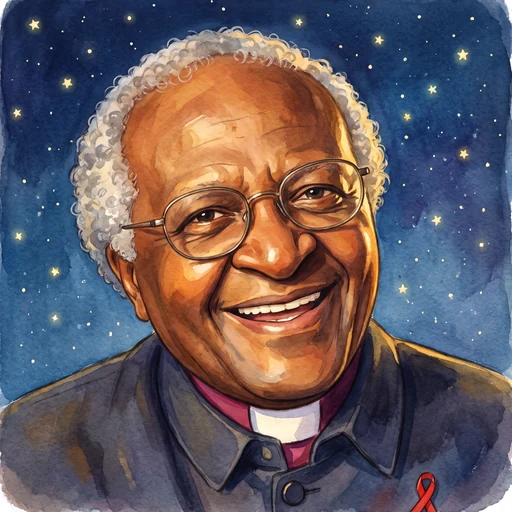
Forgiveness Brings Peace
Forgiving isn't saying it was okay — it's setting down a weight you were carrying. Here are ten ways to help a child let go.
You can't let go of something you're not allowed to feel. 'You have every right to be upset' comes before forgiveness.
'Do you want to carry this all night, or set it down?' A picture a child can feel makes letting go real.
You can let go of the anger without pretending nothing happened. Forgiving is for you, not a reward for them.
Naming the hurt clearly — 'that wasn't fair' — helps a child let it go instead of burying it where it festers.
A 'sorry' or 'I forgive you' squeezed out on command isn't real. Give it time; real forgiveness can't be rushed.
'You've messed up too, and been forgiven.' Recalling that softens the grip and makes room for grace.
'I forgive you, and I still don't want to be treated like that.' Forgiving isn't the same as having no boundaries.
Point out how tense holding a grudge feels. Letting go isn't losing — it's putting down something that was hurting them.
The hardest grudge is often the one a child holds against themselves. 'You made a mistake, and you're still good' matters.
Forgiveness that comes from the child, not from you, is the only kind that frees them. Invite it; don't order it.
Tonight, if your child is holding a hurt, ask gently if they'd like to set that stone down before sleep.
What you practice during the day sinks in deeper when it’s echoed in a story. Tonight, try The Squirrel Who Let Go — a bedtime story on the same theme, inspired by Desmond Tutu.
We use cookies for analytics and ads. You can accept or decline. Learn more