Kids jump to 'they did it on purpose' fast. Here's the one small question that stops a misunderstanding from becoming a broken friendship.
The block tower falls, the game gets interrupted, the drawing gets smudged — and a child instantly knows exactly what happened: they did it on purpose. No question asked, verdict delivered, friendship damaged. It’s one of the fastest and most common ways kids hurt each other, and the fix is almost absurdly simple: one small question, asked before the verdict.
Why kids assume the worst — and how to interrupt it
Young children tend to read accidents as intentions. A friend’s clumsy elbow becomes “he wrecked it on purpose”; a slip becomes a betrayal. This isn’t cruelty — it’s a developmental gap. Holding two perspectives at once (“it looked like he did it and maybe there’s another side”) is a skill that’s still forming in early childhood, so kids default to the single story they can see: their own.
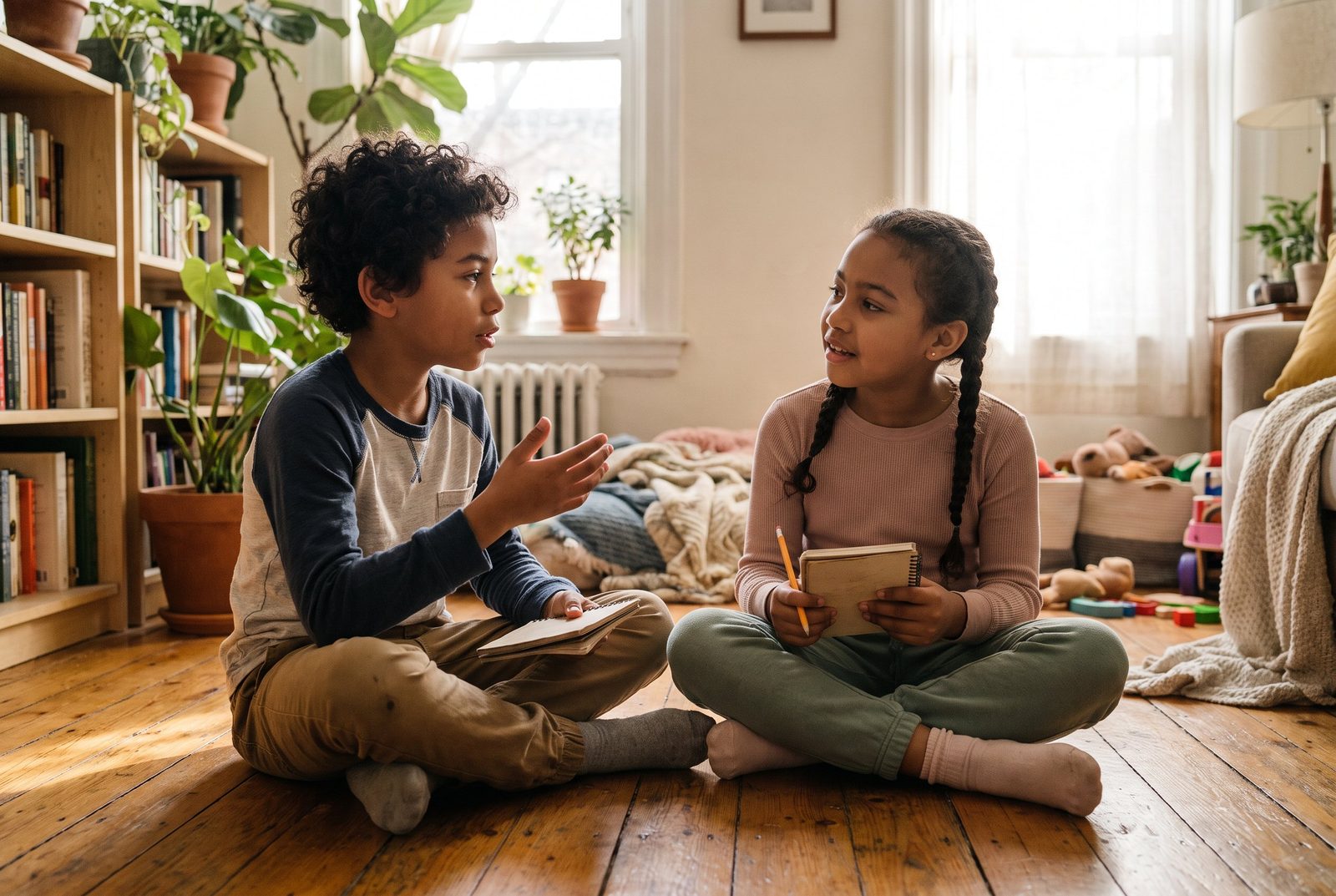
The trouble is that the single story is often wrong, and acting on it — storming off, telling everyone, retaliating — turns a small accident into a real rupture. The interruption is a habit any child can learn: before you decide what happened, ask. “Can you tell me what happened?” There’s almost always another side of the story, and the only way to see it is to ask for it. This one question does two things at once: it prevents most misunderstandings from hardening into hurt, and it teaches a child that the world contains points of view besides their own.
The goal isn’t a child who never gets upset when something goes wrong. It’s a child who, before deciding a friend meant to hurt them, checks — because the check is what keeps friendships intact.
10 ways to teach “ask first”
- Teach the exact question. “Before you decide, ask: ‘Can you tell me what happened?’”
- Separate the event from the intent. “The tower fell” is the fact; “he did it on purpose” is a guess.
- Model it yourself. “I don’t know why that happened — let me ask instead of assume.”
- Slow the verdict. “You could be right. Let’s find out before we decide.”
- Show the other side. “How do you think it looked from where they were standing?”
- Name the cost of assuming. “If we guess wrong, we might hurt a friend who didn’t mean it.”
- Praise the asking. “You checked before you decided — that’s really wise.”
- Give them the words for accidents. “It was an accident” is a full, valid answer.
- Repair when they assume wrong. Teach how to say “I’m sorry, I thought you meant to.”
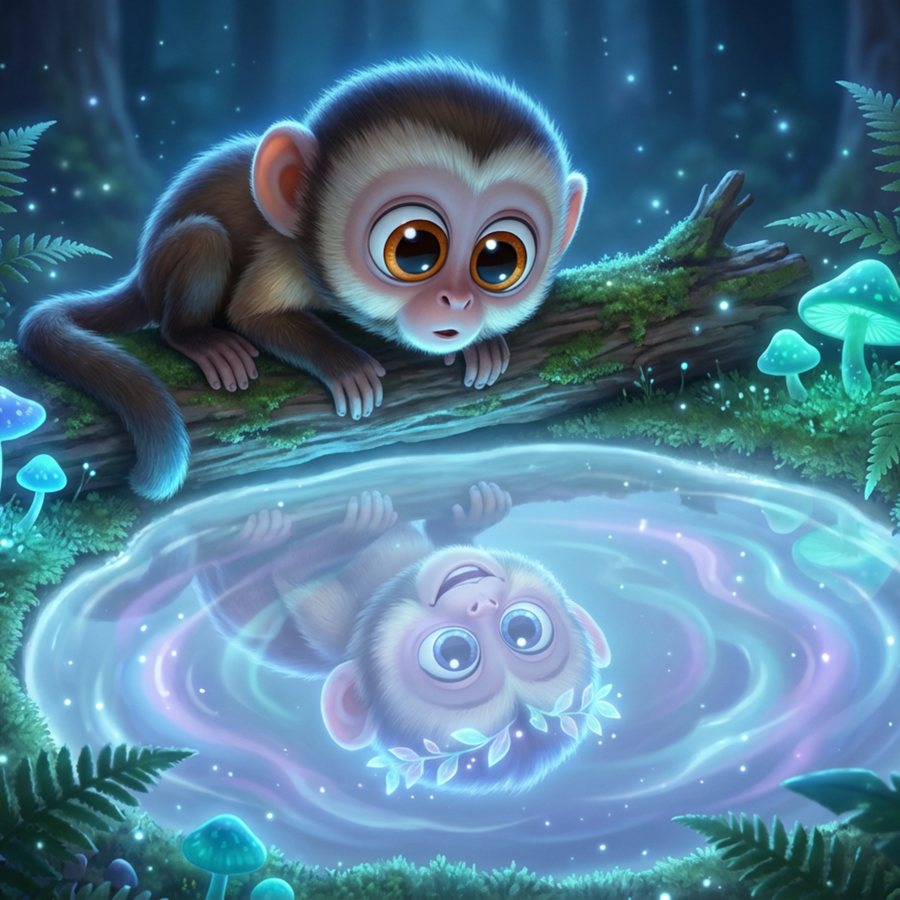
- Let a story carry it. A monkey who sees his friend’s side in the water shows it best.
Tonight’s story shows the other side
Mika and the Mirror Pool follows a monkey certain his friend wrecked their fort on purpose — until a magical pool lets him see the whole moment from his friend’s side. It’s inspired by Stephen Covey and his habit: seek first to understand.
For the daytime half, 10 Ways to Be a Good Friend offers ten more connection-building moves.
Tonight’s tiny plan
- Play the story before lights-out.
- Ask: “Has anyone ever misunderstood you? What do you wish they’d asked first?”
- Tomorrow, when they’re sure someone “did it on purpose,” offer the question first.
Your child will keep jumping to conclusions — it’s how young minds work. The gift is teaching them one small question that lets them see the side of the pool they were about to miss.