Comparison starts earlier than most parents expect. Here's why it happens, and ten small things you can do today to help your child feel like enough.
“Why can’t I have hair like hers?” “He’s better at soccer than me.” By age five or six, most kids are already measuring themselves against someone else — a sibling, a classmate, a kid on a screen. It can catch parents off guard, but it’s not a flaw in your child. It’s how young brains learn where they fit.
Why comparison starts so early
Comparing is actually a social skill in progress — kids are trying to figure out the “rules” of their world, and other people are the only measuring stick they have yet. Research backs up just how early this starts: children show measurable social comparison — rating themselves higher or lower based on how they did next to someone else — as early as ages four and five. By five or six, comparing skills and abilities has become a routine habit, and around age six, that same instinct often expands to appearance and body image, once kids are cognitively able to grasp the idea of a social norm at all.
None of that means something is wrong. It means their brain is doing exactly what it’s supposed to do at this age. What changes the outcome is what a child hears from the adults around them in the moment comparison shows up — research on parental comparison specifically finds that when it leans critical or unfavorable, it’s linked to lower self-esteem.
The trouble isn’t that kids compare. It’s that they don’t yet have the tool to stop a comparison from turning into “I’m not enough.” That tool has to be taught, the same way you’d teach tying shoes. It doesn’t arrive on its own.
10 things you can do today
- Name it without fixing it. “You noticed her drawing was really detailed” is enough. You don’t need to counter with “but yours is great too” every time — let them have the observation.
- Praise the process, not the ranking. “You worked on that for twenty minutes” lands differently than “you’re the best at that.”
- Say your own “enough” out loud. Kids copy what they hear. Let them catch you saying “I’m proud of how that turned out for me” instead of comparing yourself to someone else.
- Limit side-by-side moments. Two kids opening report cards together, out loud, invites comparison that doesn’t need to happen.
- Ask “what did you enjoy?” before “how did you do?” It reorders what they think matters.
- Point out differences in other people kindly. “Grandma cooks completely differently than I do, and both are good” quietly teaches that different isn’t ranked.
- Catch comparison early and get curious. “What’s the story you’re telling yourself about that?” opens a conversation instead of shutting one down.
- Give them one thing that’s just theirs. A hobby, a book series, anything a sibling or friend doesn’t also do — it’s easier to feel enough somewhere uncontested.
- Watch your own phone habits. Kids notice what you compare yourself to, including other parents online.
- Use a story instead of a lecture. Direct advice (“stop comparing”) rarely lands. A story lets the lesson arrive sideways, where it’s easier to hear.
Tonight’s story does the last one for you
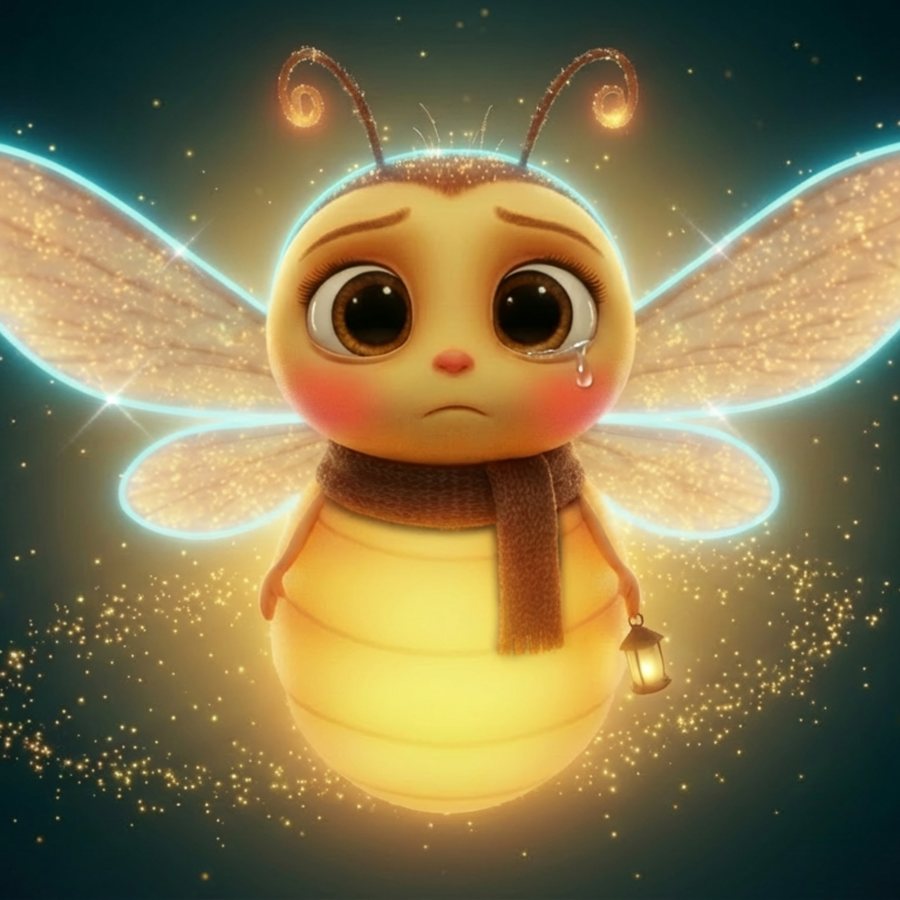
The Firefly Who Stopped Comparing follows Zara, a firefly who’s sure her glow is too dim next to everyone else’s — until a friend shows her what her light can do that no one else’s can. It’s inspired by Theodore Roosevelt’s line that comparison is the thief of joy, retold at a level a five-year-old can feel.
For the daytime half of this work, our guide 10 Ways to Build Confidence gives you ten more kid-friendly moves to practice before the next comparison moment shows up.
Tonight’s tiny plan
- Play the story before lights-out.
- Ask the bedtime question: “What’s one thing that made your light special today?”
- Tomorrow, try just one of the ten things above — not all ten.
Your child doesn’t need to stop noticing other people. They just need one adult who keeps reminding them their own light was never the problem.