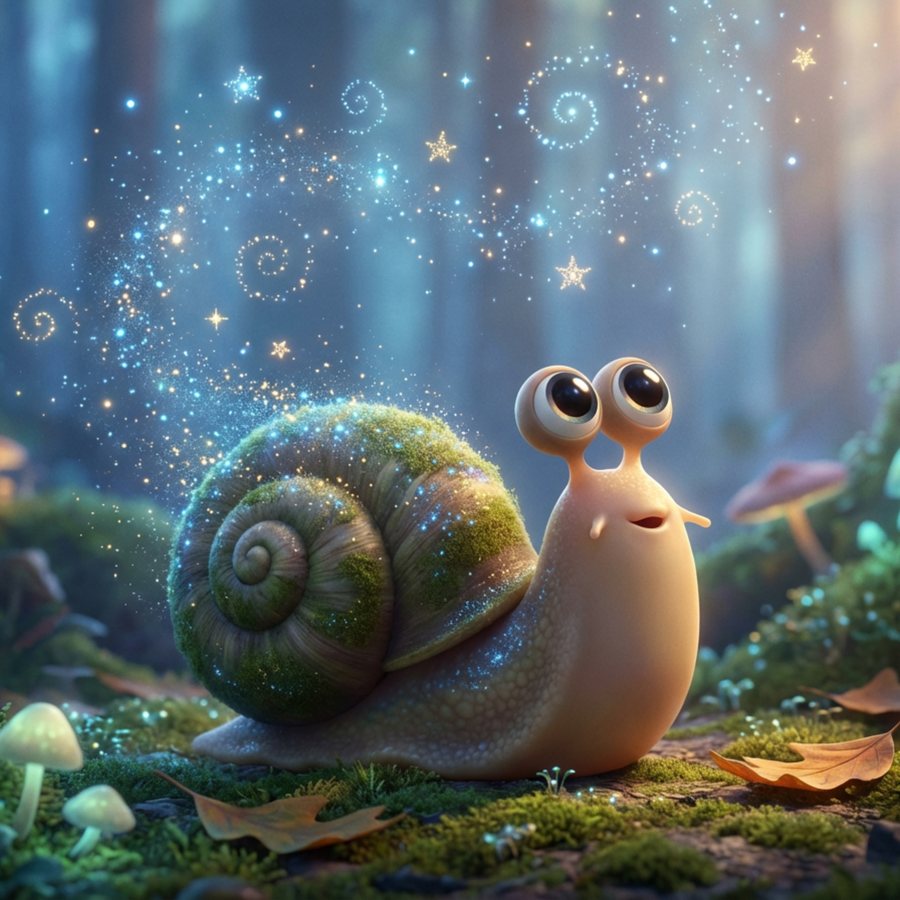
Every child sometimes feels small and unimportant. Here's a true, astonishing comfort — one that never leaves them feeling separate again.
Every child, sooner or later, feels small. Next to the bigger kids, the faster kids, the ones who seem to have more of everything, they can decide they’re the least important creature in the room. It’s a tender, universal ache — and one of the most beautiful ways to answer it isn’t a pep talk at all. It’s a true story about the stars.
Why cosmic wonder is a real comfort
When a child feels small and separate — too slow, too quiet, too ordinary to matter — reassurance often bounces off, because the feeling isn’t logical. But there’s a different kind of comfort available, one grounded in something astonishing and completely true: the atoms in your child’s body — the calcium in their bones, the iron in their blood — were forged inside ancient stars that exploded long ago. Your child is, quite literally, made of stardust. They aren’t small and separate from the glittering night sky. They’re part of it.
This isn’t a cute metaphor; it’s astrophysics, and kids can feel the weight of it. A sense of awe and cosmic connection has been linked to lower stress and greater wellbeing, even in children. Feeling part of something vast helps a child feel less small and alone — a real psychological comfort, not just a nice idea. There’s something uniquely steadying about a child looking up at the stars and realizing they’re not gazing at something they could never be. They’re looking at family.
The goal isn’t to make a child feel important by comparison — bigger or better than others. It’s to help them feel connected — woven into something enormous and ancient and beautiful — so that “small” stops being the same as “alone.”
Ways to offer a child this wonder
- Tell them the true story. “The stuff you’re made of came from the stars” is real, and it lands.
- Look up together. Awe is easiest to feel under an actual night sky.
- Reframe small as connected. “You’re not tiny and separate — you’re part of something huge.”
- Let them wonder. Questions about space and stars are worth chasing.
- Don’t fix the feeling with comparison. “You’re better than them” misses the point; “you belong to all of it” hits it.
- Point out how connected everything is. Soil, water, stars, and them — all made of the same stuff.
- Make wonder a habit. A regular look at the moon or stars steadies a child.
- Meet “I’m nothing” with awe, not argument. Wonder reaches where reassurance can’t.
- Keep it true. The real science is more astonishing than anything you’d need to invent.
- Let a story carry it. A snail who learns he’s made of ancient stars shows it best.
Tonight’s story looks up
The Snail Who Discovered Stardust follows a snail who feels like the smallest creature in the garden — until an old firefly astronomer tells him the true story of where he’s really made of. It’s inspired by Neil deGrasse Tyson and his most beloved truth: we are stardust.
Tonight’s tiny plan
- Play the story before lights-out.
- Look up together, if you can, and say: “You’re made of that.”
- Tomorrow, meet one “I’m not important” moment with wonder instead of an argument.
Your child will feel small sometimes — everyone does, under a big enough sky. The gift is helping them discover that they were never separate from that sky. They’re made of it, and they always have been.