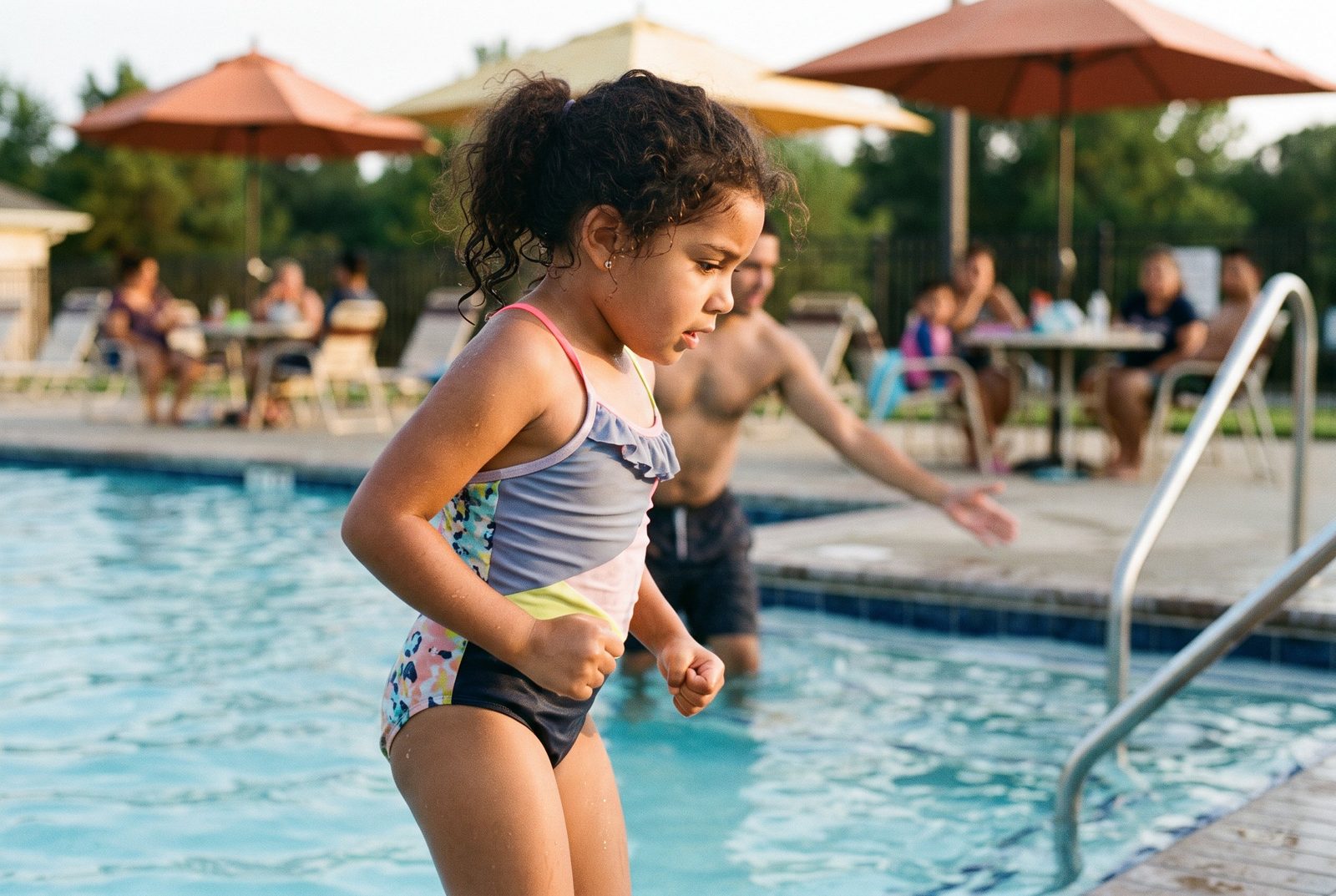
Kids often think brave means not scared — so a pounding heart makes them feel they can't do it. Here's the truth that sets them free.
Ask a child what “brave” means and many will tell you it means not being scared. So the moment their heart starts pounding, they draw a quiet conclusion: I’m scared, so I must not be brave — and they back away. It’s one of the most common and most limiting misunderstandings of childhood, and correcting it hands a child a kind of freedom.
Why “fearless” is the wrong definition
If courage meant the absence of fear, then almost no one would ever be brave, because fear shows up precisely when something matters and feels risky. The truth is the opposite: courage and fear almost always travel together. Brave people aren’t the ones who feel nothing — they’re the ones who feel the fear and show up anyway.
This matters enormously for kids, because the “brave means fearless” belief becomes a trap. A child feels the pounding heart, decides that feeling disqualifies them, and gives up before they start. But if they learn that the pounding heart is part of courage — not the opposite of it — then the very feeling that used to stop them becomes proof they’re doing something brave. The shaking isn’t a sign to quit. It’s a sign they’re at the edge of something that matters.
There’s even a small tool hidden here: naming the fear out loud (“my heart is pounding”) tends to loosen its grip, making the brave action a little more possible. The goal isn’t a fearless child — that child doesn’t exist and wouldn’t be safe. It’s a child who knows their trembling doesn’t disqualify them from being brave. It’s part of the job.
10 ways to teach real courage
- Redefine brave out loud. “Brave isn’t ‘not scared.’ Brave is scared, and doing it anyway.”
- Normalize the pounding heart. “Feeling nervous means you’re at the edge of something brave.”
- Name the fear together. “Your heart’s racing — that’s okay. Let’s do it scared.”
- Praise the showing-up, not the outcome. “You were nervous and you tried” is the win.
- Share your own scared-and-did-it stories. Kids need to know brave adults feel fear too.
- Don’t dismiss the fear. “There’s nothing to be scared of” tells them their feeling is wrong.
- Shrink the brave step. Courage grows from small “did it scared” wins.
- Notice courage in disguise. Trying a new food, speaking up — brave comes in small sizes.
- Celebrate afterward. “You did that with a pounding heart — that’s what brave feels like.”
- Let a story carry it. A character who runs into the wind with shaking legs shows it best.
Tonight’s story redefines brave
Clover and the Crimson Wind follows a rabbit whose legs shake and heart pounds — and who runs into the storm for a friend anyway, learning that brave was never about not being scared. It’s inspired by Brené Brown and her research on courage: showing up and being seen even while afraid.
For the daytime half, 10 Ways to Be Brave offers ten more courage-building moves.
Tonight’s tiny plan
- Play the story before lights-out.
- Ask: “Have you ever done something even though your heart was pounding? That was courage — what did it feel like after?”
- Tomorrow, name a nervous feeling as “brave” the next time it shows up.
Your child will keep feeling afraid — that never stops, for any of us. The gift is teaching them that the fear isn’t a stop sign. It’s part of what being brave actually feels like.