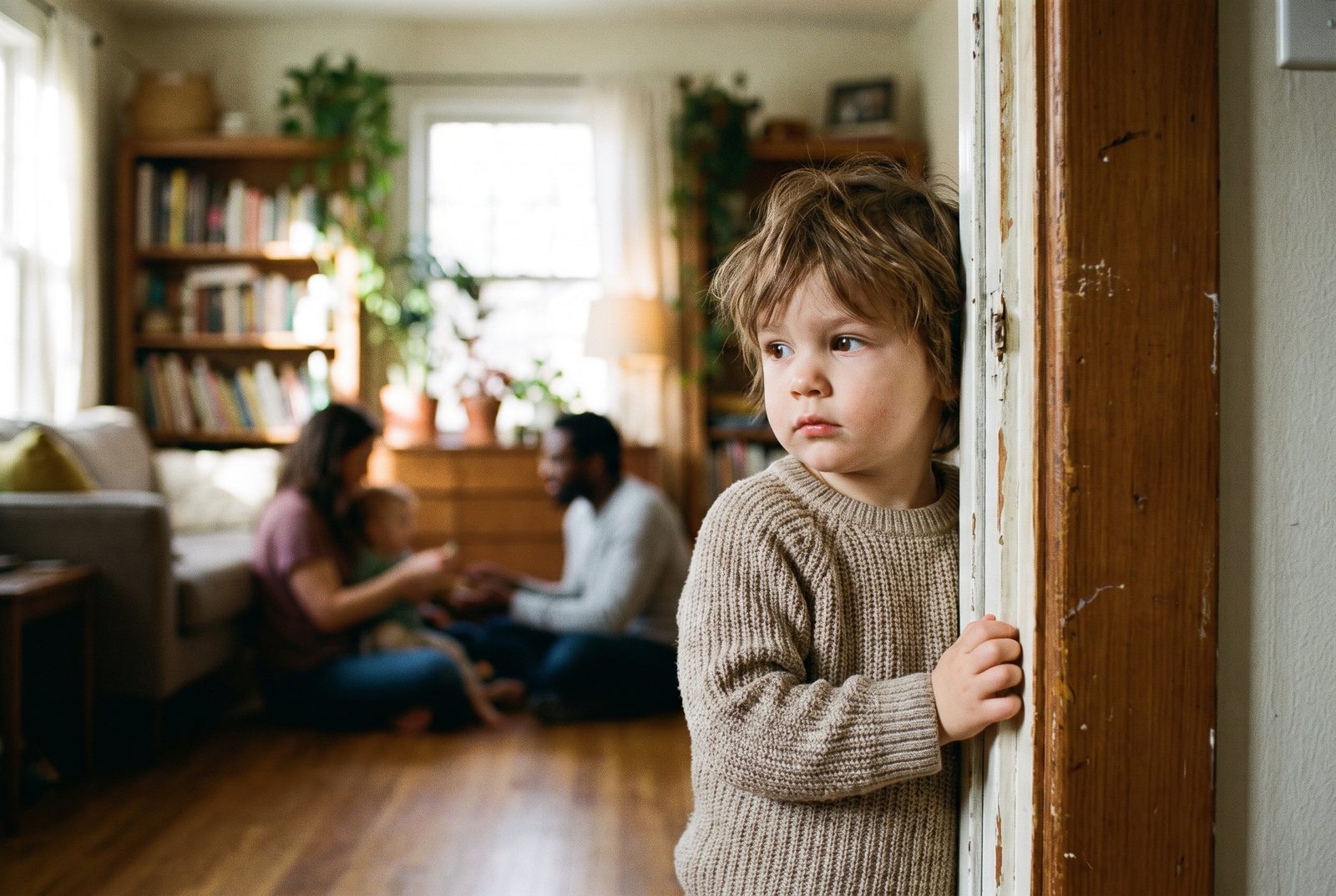
Some kids watch, notice, and spot patterns others miss — and get called 'daydreamers.' Here's why their way of seeing is a genuine strength.
Some children are quiet noticers. They watch the way the rain runs down the window, catch the rhythm in a song, spot the pattern in a tile floor that no one else registered. In a world that rewards the loud and the fast, these kids sometimes get called “daydreamers” — as if their watching were a lack of attention rather than a deep kind of it. Tonight’s theme is a quiet reassurance for those children: your way of seeing isn’t strange. It’s where a lot of remarkable things begin.
Why noticing is real, valuable attention
Close observation is a foundational skill — the root of science, art, math, and problem-solving — and it’s one that quiet, watchful children often have in abundance. When a child notices patterns, watches how things work, and holds still long enough to really see, they’re not zoning out. They’re doing something the busy, hurried mind can’t: gathering the fine detail from which understanding, and invention, are made. Nikola Tesla, one of history’s great inventors, was famous for exactly this kind of intense observation and for picturing whole machines in his mind before building them.
The trouble is that a watchful child can start to feel there’s something wrong with them, because their mode doesn’t match the fast, talkative kids around them. There isn’t. Research increasingly values cognitive diversity — the quiet noticer and the bold talker each see what the other misses, and a group needs both. What a watchful child needs isn’t fixing; it’s the message that their observant way of seeing is a strength to lean into, not a quirk to grow out of.
The goal isn’t to make a quiet child louder. It’s to help them value their own attention — to know that noticing is a superpower, and that the patterns really do whisper to those who watch.
Ways to honor an observant child
- Rename “daydreaming” as noticing. “You see things other people miss — that’s a gift.”
- Ask what they’ve observed. “What did you notice today?” values their mode.
- Follow their patterns. When they point one out, get curious with them.
- Protect quiet, watchful time. Observation needs space the schedule doesn’t fill.
- Don’t equate quiet with disengaged. A silent child can be paying deep attention.
- Give observation an outlet. Building, drawing, collecting, tinkering — where noticing becomes making.
- Point out where noticing matters. “You spotted that before anyone — that’s how problems get solved.”
- Value their mode alongside the loud one. Both ways of seeing are needed.
- Share observant heroes. Inventors and scientists were often quiet noticers too.
- Let a story carry it. A mouse whose noticing saves the barn shows it best.
Tonight’s story honors the noticer
The Mouse Who Followed the Pattern follows a mouse the others call a daydreamer — until his quiet noticing of how things work is exactly what saves the day. It’s inspired by Nikola Tesla, the great observer whose noticing helped shape the modern world.
Tonight’s tiny plan
- Play the story before lights-out.
- Ask: “What’s something you noticed today that maybe nobody else did?”
- Tomorrow, call their watching a superpower — out loud.
Your quiet, observant child isn’t drifting through the world. They’re seeing it more closely than most — and that noticing is exactly how inventions, and understanding, begin.