Kids spend much of the day being told what to do. Here's the one freedom that's always theirs — the power to choose how they meet it.
Kids spend a huge share of their day being told where to go, what to do, when to stop. Bedtime, school, chores, the car — so much of it is decided by someone else. It’s easy for a child to conclude they have no choices at all, and to feel small and powerless because of it. Tonight’s theme hands them the one freedom no one can ever take away: not the power to change what happens, but the power to choose how they meet it.
Why the “last freedom” matters so much
There’s real truth in a child’s sense that a lot is out of their hands — much of a young life is decided by others. But there’s a freedom hiding inside even the most controlled day, and it’s worth teaching early. Between what happens to us and how we respond, there is a space — and in that space lies a freedom that can never be taken. The psychiatrist Viktor Frankl, who endured profound hardship, called this the last human freedom: others may control your circumstances, but never your inner response to them.
For a child, this is quietly empowering. They can’t choose the load or the road, but they can choose whether to notice the wildflowers along it, whether to hum, whether to meet the bossy moment with patience or with a fight. Same day, same rules — completely different experience, and the difference belongs entirely to them. This is a research-backed resilience skill, too: children who learn they control their response, even when they can’t control the situation, handle hard things with far more steadiness and far less helplessness.
The goal isn’t a child who pretends they love every rule. It’s a child who knows that between what happens and what they do, there’s a space that’s always theirs — and that space is where their freedom lives.
Ways to teach the space between
- Name the space. “You can’t choose what happened, but you can choose what you do next.”
- Separate event from response. “The plan changed. How you meet it is up to you.”
- Model it out loud. “This is annoying — and I get to decide how I handle it.”
- Offer response-choices, not situation-choices. “You have to do it; you can choose your attitude toward it.”
- Notice the wildflowers. “Same walk — what’s one good thing you can find in it?”
- Catch them choosing well. “You couldn’t change it, and you chose to stay calm. That’s real strength.”
- Don’t dismiss the powerlessness. Acknowledge it, then point to the space that’s still theirs.
- Give small real choices too. Autonomy elsewhere makes the “last freedom” easier to feel.
- Keep your own space visible. Let them see you choose your response to a hard moment.
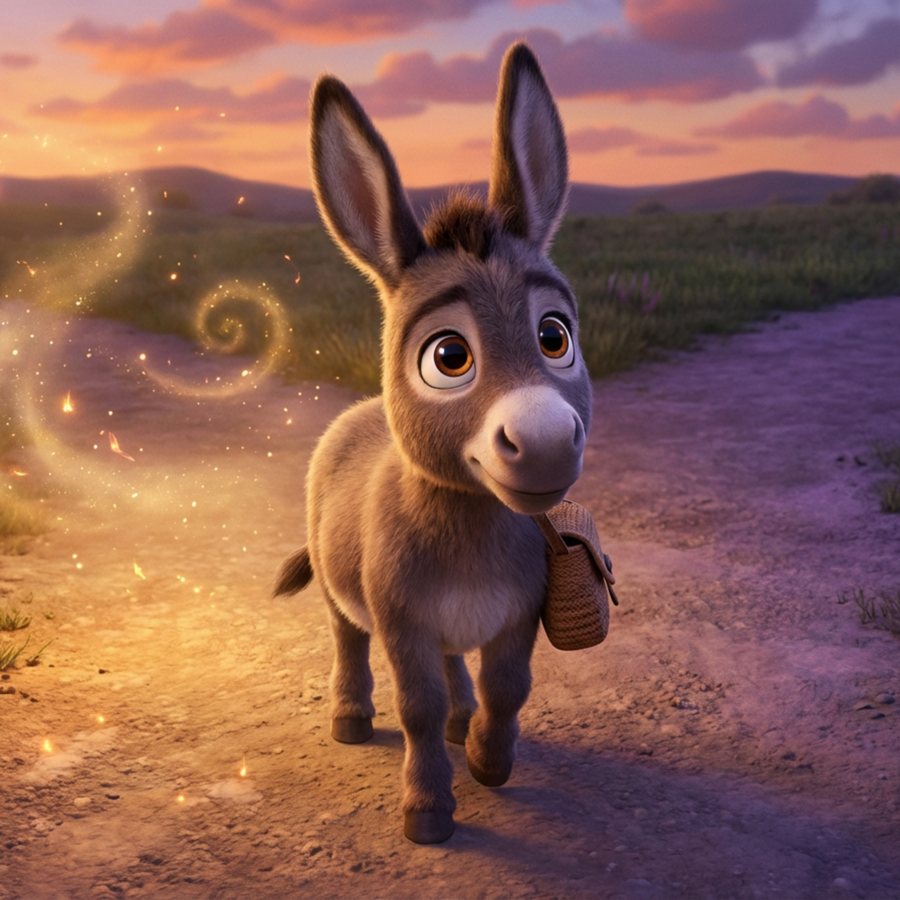
- Let a story carry it. A donkey who can’t choose his path but chooses his spirit shows it best.
Tonight’s story finds the freedom
The Donkey Who Found His Own Way follows a donkey whose whole day is decided by others — until an old donkey shows him the freedom no one can take: they can choose your path, but never your spirit. It’s inspired by Viktor Frankl and his teaching on the last human freedom.
Tonight’s tiny plan
- Play the story before lights-out.
- Ask: “What’s something today you couldn’t control? And how did you choose to meet it?”
- Tomorrow, when they can’t change something, help them find the space that’s still theirs.
Your child will spend years being told what to do — that’s part of being a kid. The gift is teaching them that between what happens and what they do lives a space that’s always, always theirs.