Why be polite when the pushy kids get the toy first? Here's the quiet payoff — how respect shapes the whole world a child lives in.
From a child’s-eye view, respect can look like a losing strategy. The kid who shoves gets the toy; the one who waits politely goes without. So why bother greeting first, waiting your turn, speaking gently? Tonight’s theme answers with the quiet, longer payoff: how a child treats others slowly builds the whole world they end up living in.
Why respect is contagious
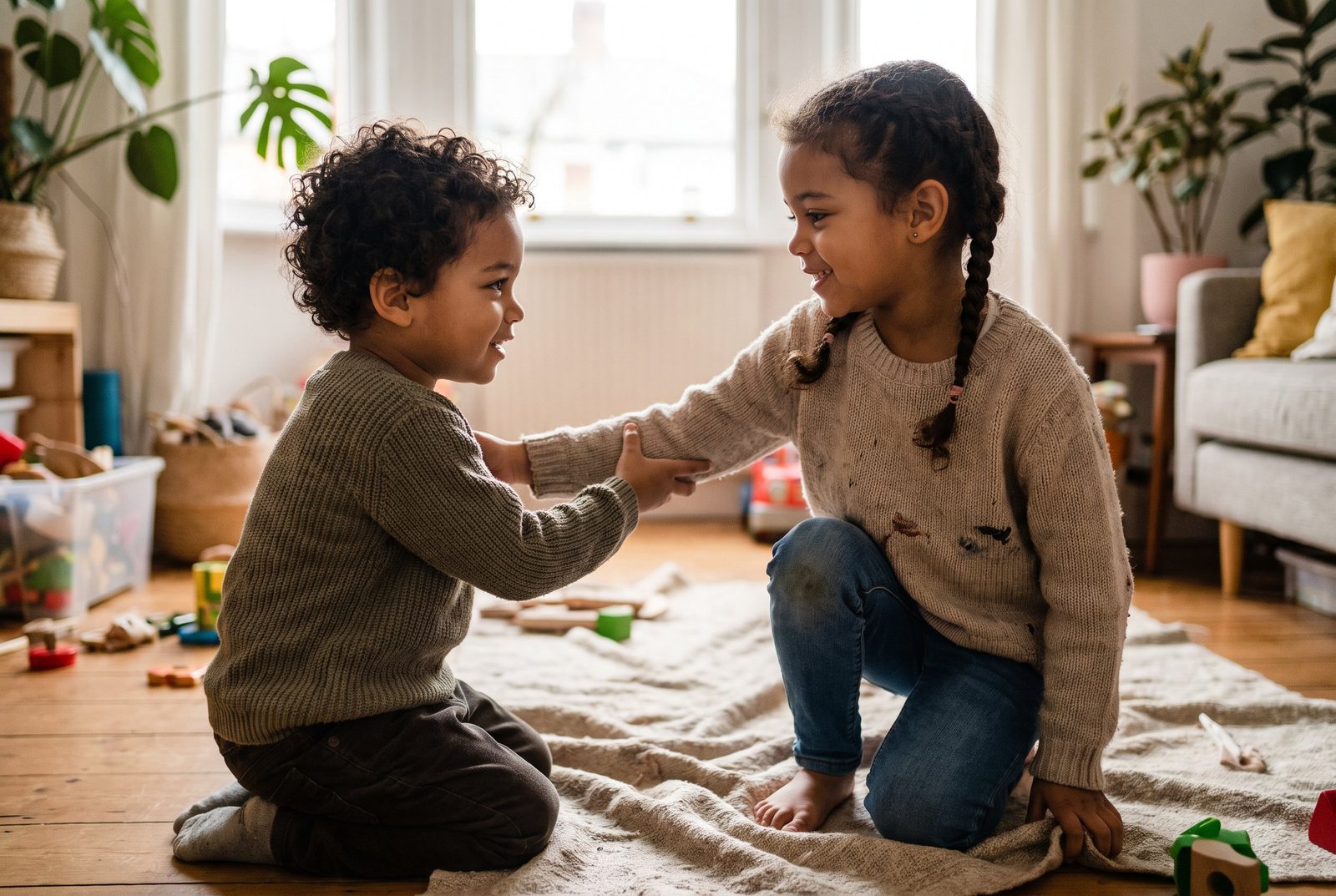
Respect isn’t just a rule adults enforce — it’s socially contagious, and kids can feel it even before they can explain it. When one child consistently greets, waits, and speaks kindly, something shifts around them: it’s hard to shove someone who just greeted you warmly, hard to snap at someone speaking gently. Courteous behavior spreads, and a single child who sets a respectful tone can shift the mood of a whole room. The calm they offer tends to come back to them.
This reframes respect from a cost into an investment. The pushy kid may grab the toy today, but the respectful child is quietly building the kind of space everyone wants to be in — and, over time, people are drawn to that space, and to them. Kids also learn respect far more from how it’s modeled and received than from how it’s lectured. A child who is treated with respect, and who watches the adults around them treat others that way, absorbs it as simply how the world works.
The goal isn’t a doormat child who never asserts themselves. It’s a child who understands that the way they treat others isn’t just about manners — it’s slowly building the forest they all live in.
10 ways to grow respect
- Model it toward them. Kids treat others as they’ve been treated, not as they’ve been told.
- Make greetings a thing. A warm hello sets the tone for everything after.
- Name the contagion. “When you’re kind, it spreads — watch what happens.”
- Point out the calm space. “Notice how nice it is where people are respectful.”
- Respect their no. A child whose boundaries are honored learns to honor others’.
- Catch respect in action. “You waited your turn and spoke kindly — that mattered.”
- Don’t demand it through fear. Fear-based “respect” is just compliance; model it instead.
- Include everyone. Show that respect isn’t only for the people we like.
- Repair disrespect calmly. “Let’s try that again with kinder words.”
- Let a story carry it. A red panda who quietly builds the calmest corner of the forest shows it best.
Tonight’s story shows respect spreading
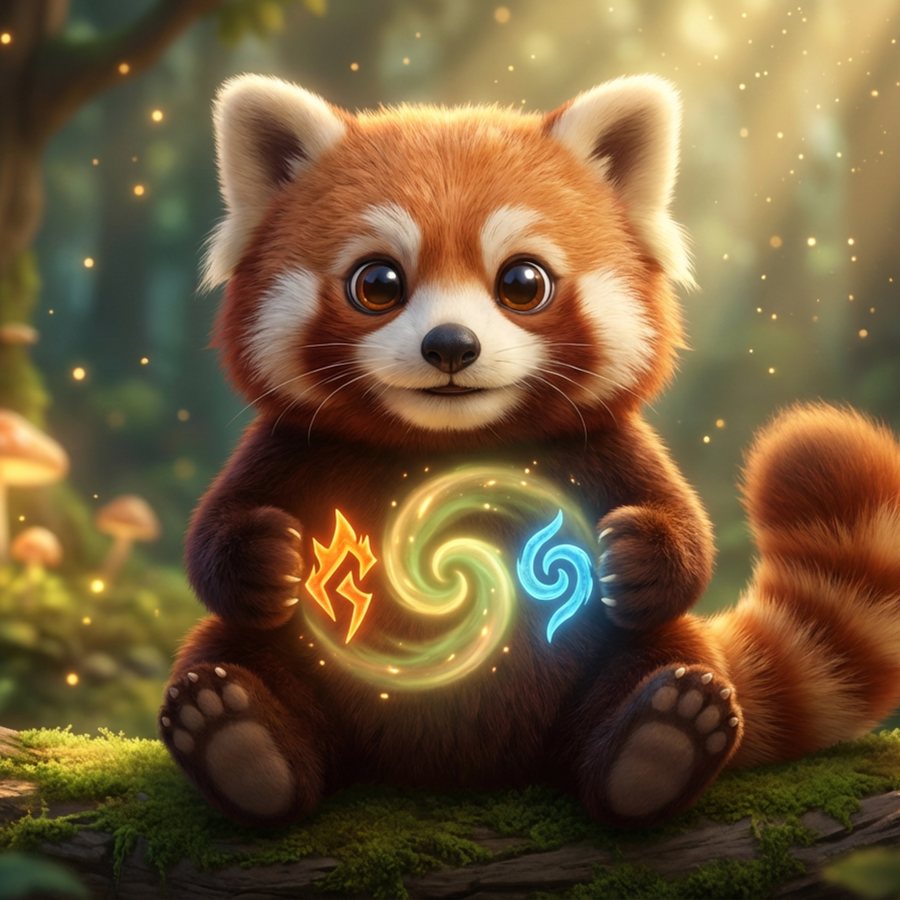
The Red Panda Who Chose Respect follows a red panda who greets, waits, and speaks gently in a shoving forest — and slowly turns his corner into the calmest, happiest place around. It’s inspired by Confucius and his teaching that respect creates harmony.
For the daytime half, 10 Ways to Show Respect offers ten more respect-building moves.
Tonight’s tiny plan
- Play the story before lights-out.
- Ask: “How did the way you treated someone today change how things went?”
- Tomorrow, model one warm greeting and name the ripple it makes.
Your child will keep meeting pushy, shoving corners of the world. The gift is teaching them that the way they treat others quietly builds a better one — starting with the space right around them.